Education System in Australia
The education system in Australia is recognized globally for its high quality, modern approach, and focus on innovation, critical thinking, and real-world application. Managed primarily by individual states and territories, the system follows a national framework that ensures consistent standards across the country. Education is compulsory for children between the ages of six and sixteen, although many continue their studies until eighteen.
The Australian education system stands out for its student-centered approach and emphasis on developing problem-solving and analytical thinking. Education is highly inclusive and multicultural, reflecting the diversity of the Australian population. Schools and universities promote equality and cultural understanding, creating an environment where international students feel welcomed and supported.
Another key advantage is the practical orientation of the curriculum. Many programs, especially at the university level, integrate internships, research projects, and partnerships with industries, ensuring that graduates are well-prepared for the workforce. Furthermore, Australia invests heavily in educational technology and innovation, keeping its institutions at the forefront of global education standards.
Testing
Australia’s assessment system balances exams with continuous evaluation through projects, coursework, and practical assignments. The ATAR plays a central role in university admissions, but schools also assess students’ broader competencies, including creativity, collaboration, and communication.
For international students, English language proficiency is evaluated through tests such as IELTS, TOEFL, or PTE Academic. Some universities also require additional subject-specific assessments depending on the chosen program.
Higher Education
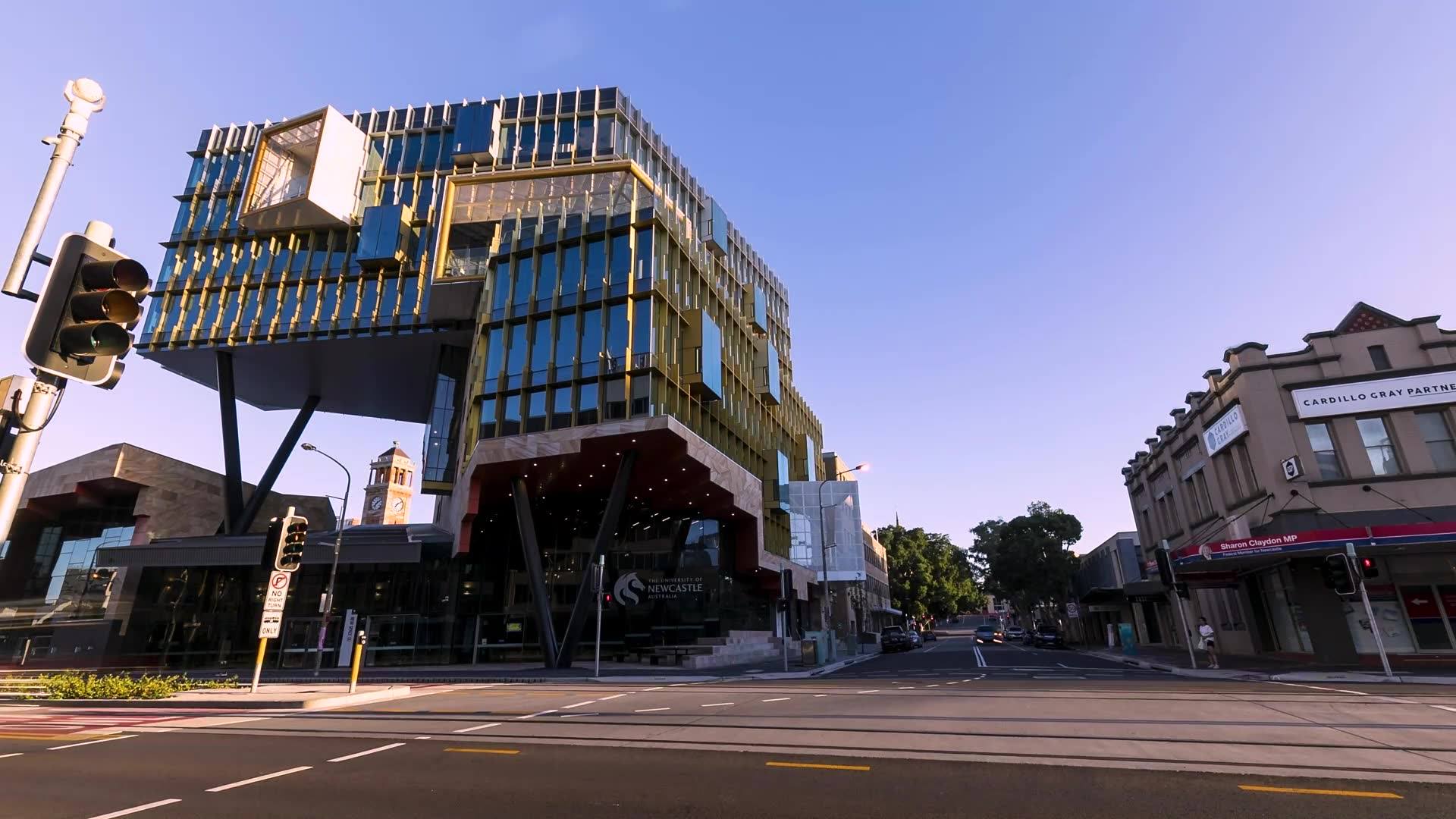
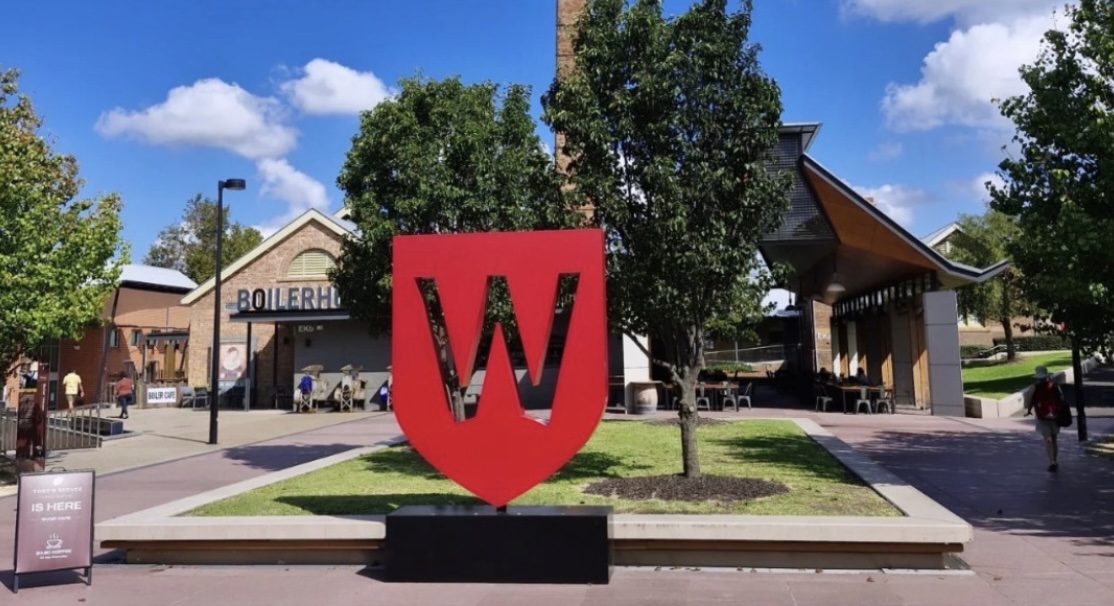
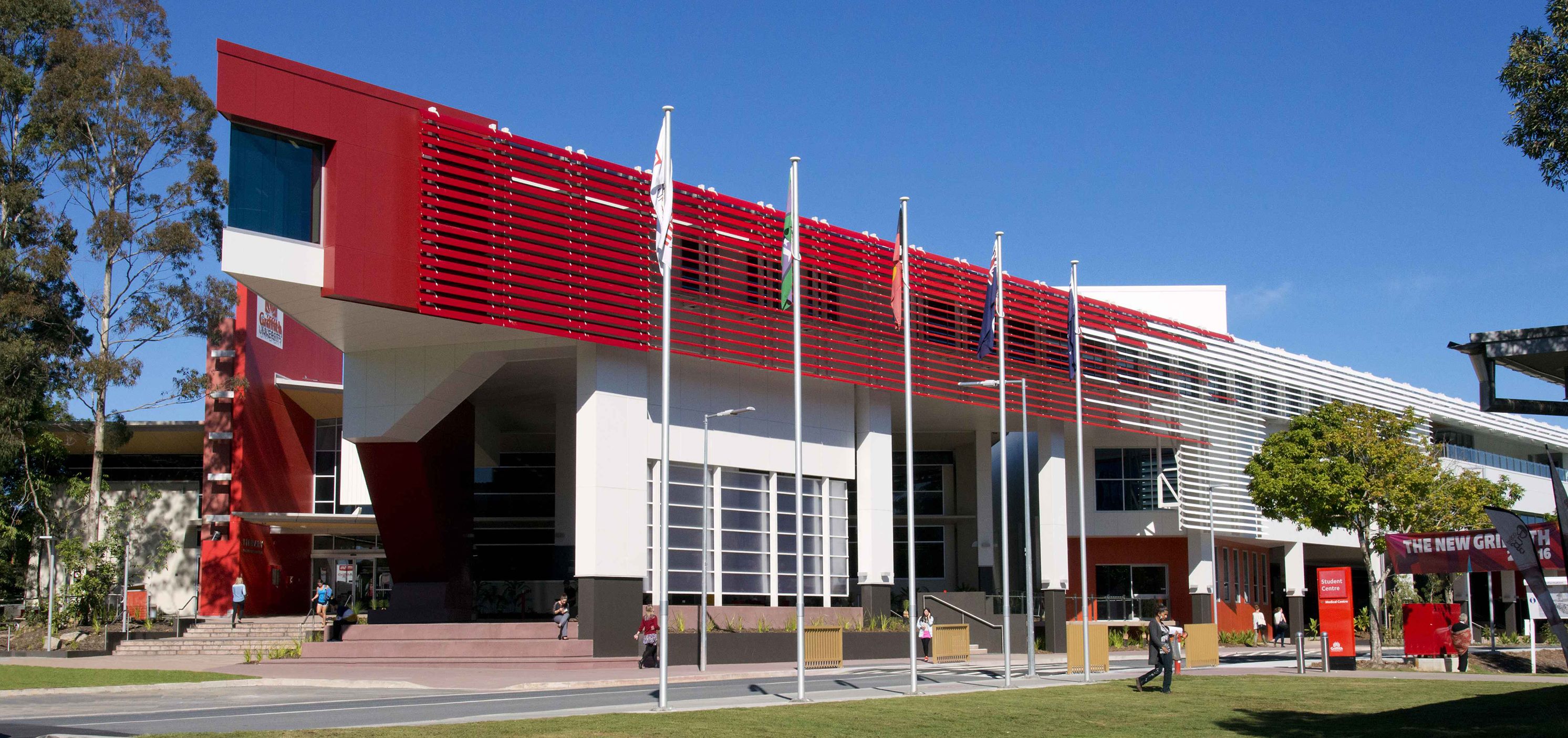
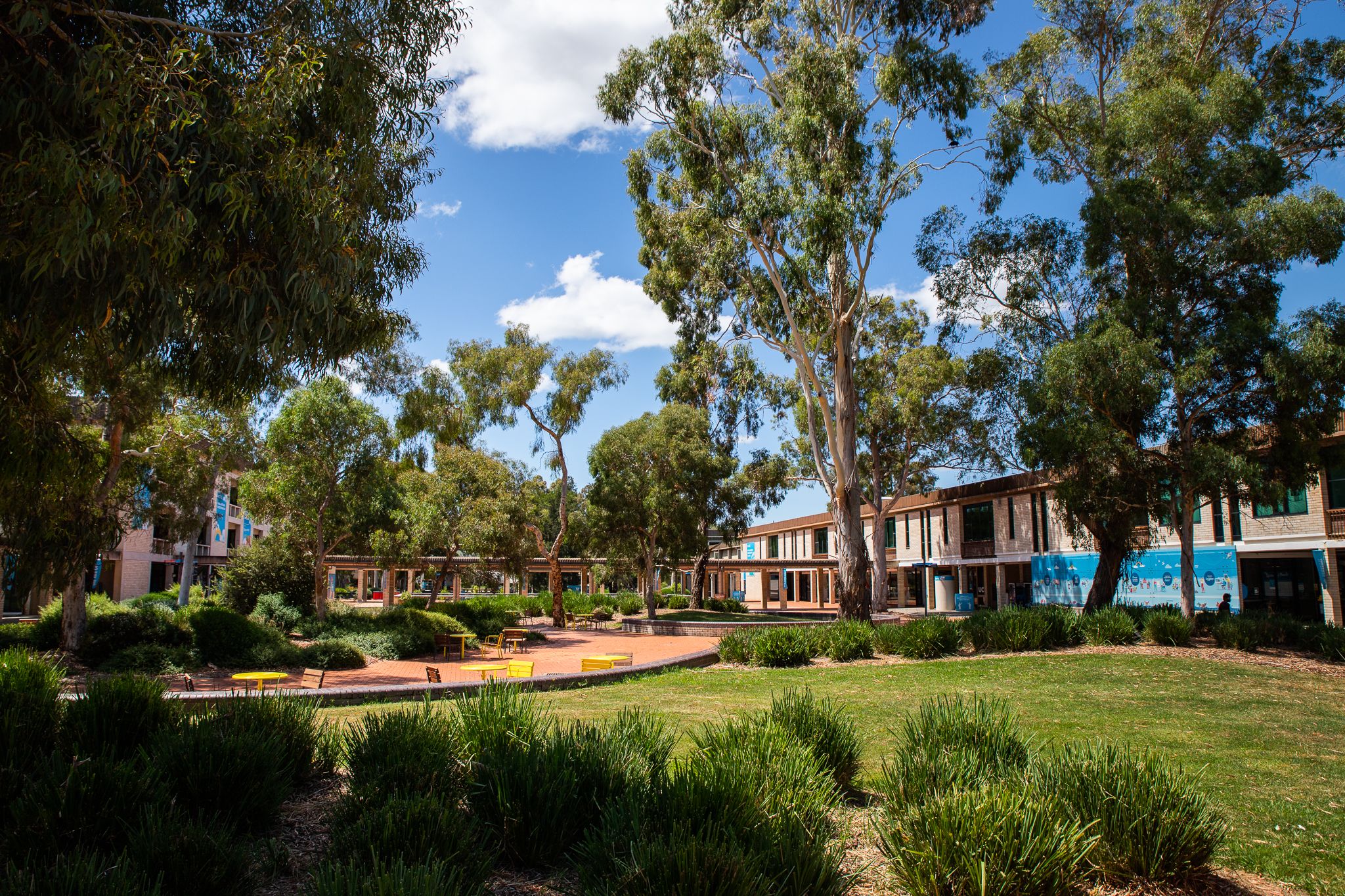
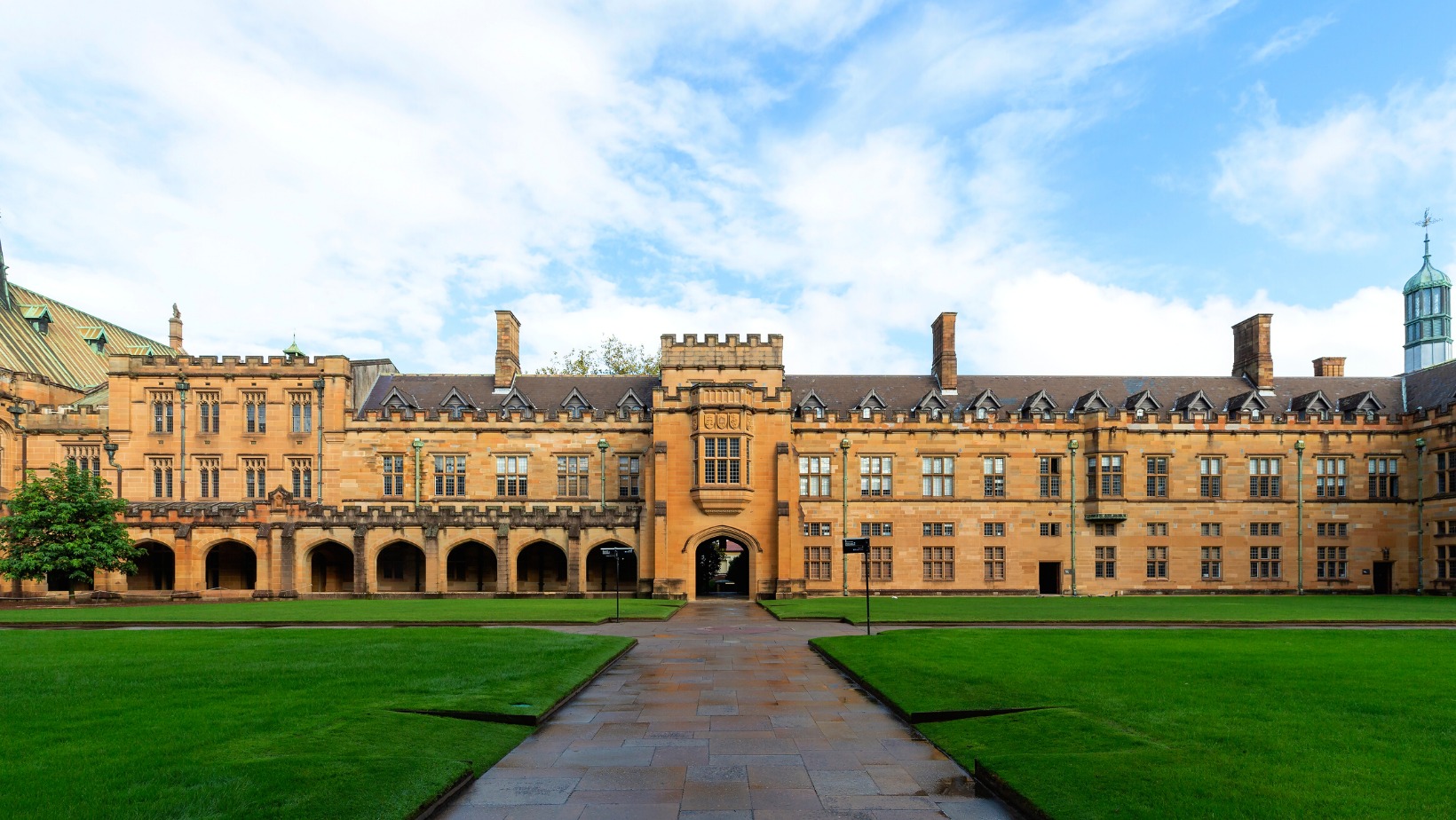
Higher education in Australia includes universities, colleges, and vocational institutions, offering a diverse range of academic and career-oriented programs. Australian universities are renowned for their research excellence, global perspective, and industry connections. Prestigious institutions such as the University of Melbourne, Australian National University (ANU), University of Sydney, and University of Queensland attract students from all over the world.
A Bachelor’s degree generally takes three years to complete, followed by a Master’s degree lasting one to two years, and Doctoral (PhD) programs for advanced research. Australia also has a strong Vocational Education and Training (VET) sector, providing practical skills for specific industries through Technical and Further Education (TAFE) institutions. This structure allows flexibility for students to move between academic and vocational tracks.
Primary and Secondary Education
Australian schooling begins with primary education, which typically lasts from Kindergarten (Prep) to Year 6, followed by secondary education from Year 7 to Year 12. During these years, students study a broad curriculum that includes English, mathematics, science, history, geography, arts, and physical education.
The final two years of high school (Years 11 and 12) are particularly important, as students prepare for university or vocational pathways. At the end of Year 12, students complete a qualification known as the Senior Secondary Certificate of Education (SSCE), which varies slightly by state (for example, HSC in New South Wales, VCE in Victoria, and QCE in Queensland). The results from these final assessments contribute to the ATAR (Australian Tertiary Admission Rank), which is used for university admissions.