Education System in the United States
The education system in the United States is one of the most diverse and dynamic in the world. It is characterized by flexibility, accessibility, and a strong emphasis on personal development and creativity. Education in the U.S. is primarily the responsibility of individual states rather than the federal government, which results in some variations in curricula and standards across the country. However, the overall structure remains consistent, moving from elementary and secondary education to higher education.
The U.S. education system stands out for its flexibility and individuality. Students have a high degree of freedom in choosing subjects, extracurricular activities, and even designing their own educational paths. This approach encourages creativity, leadership, and innovation—qualities highly valued in American culture and the global job market.
Another key advantage is the diversity of institutions. The United States offers everything from small liberal arts colleges that focus on holistic education to large research universities that lead global scientific progress. Additionally, the strong connection between universities and industries provides students with opportunities for internships, networking, and practical experience.
Primary and Secondary Education
American schooling typically begins with elementary school (from around age five to eleven), followed by middle school (ages eleven to fourteen) and high school (ages fourteen to eighteen). Students study a broad range of subjects, including English, mathematics, science, social studies, and physical education, along with optional courses in arts, foreign languages, and technology.
At the end of high school, students receive a High School Diploma, which certifies the completion of secondary education. Instead of national exams like in many other countries, American students are evaluated through continuous assessment, grades, and standardized tests.
Higher Education
Higher education in the United States is one of its greatest strengths and attracts millions of students from all over the world. Colleges and universities offer a wide range of programs that promote academic freedom and interdisciplinary study. Students usually begin with a Bachelor’s degree, which takes four years and includes both general education courses and specialized subjects.
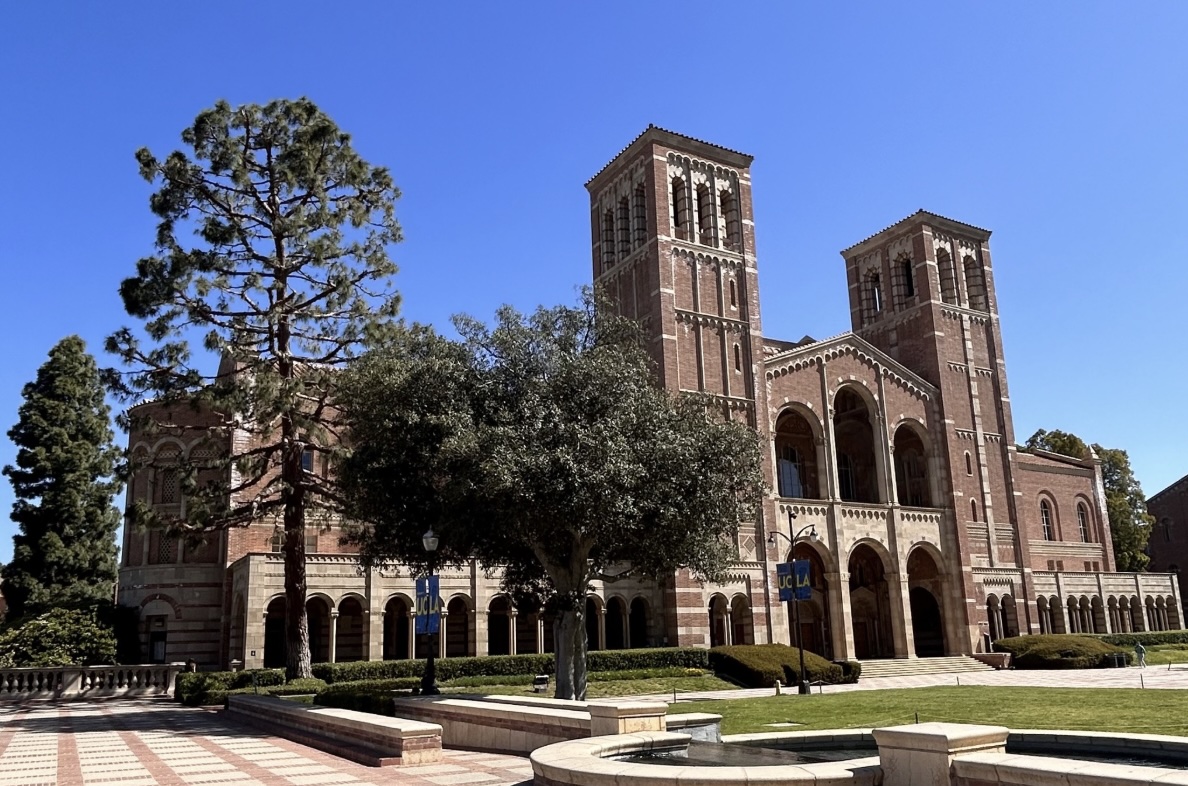
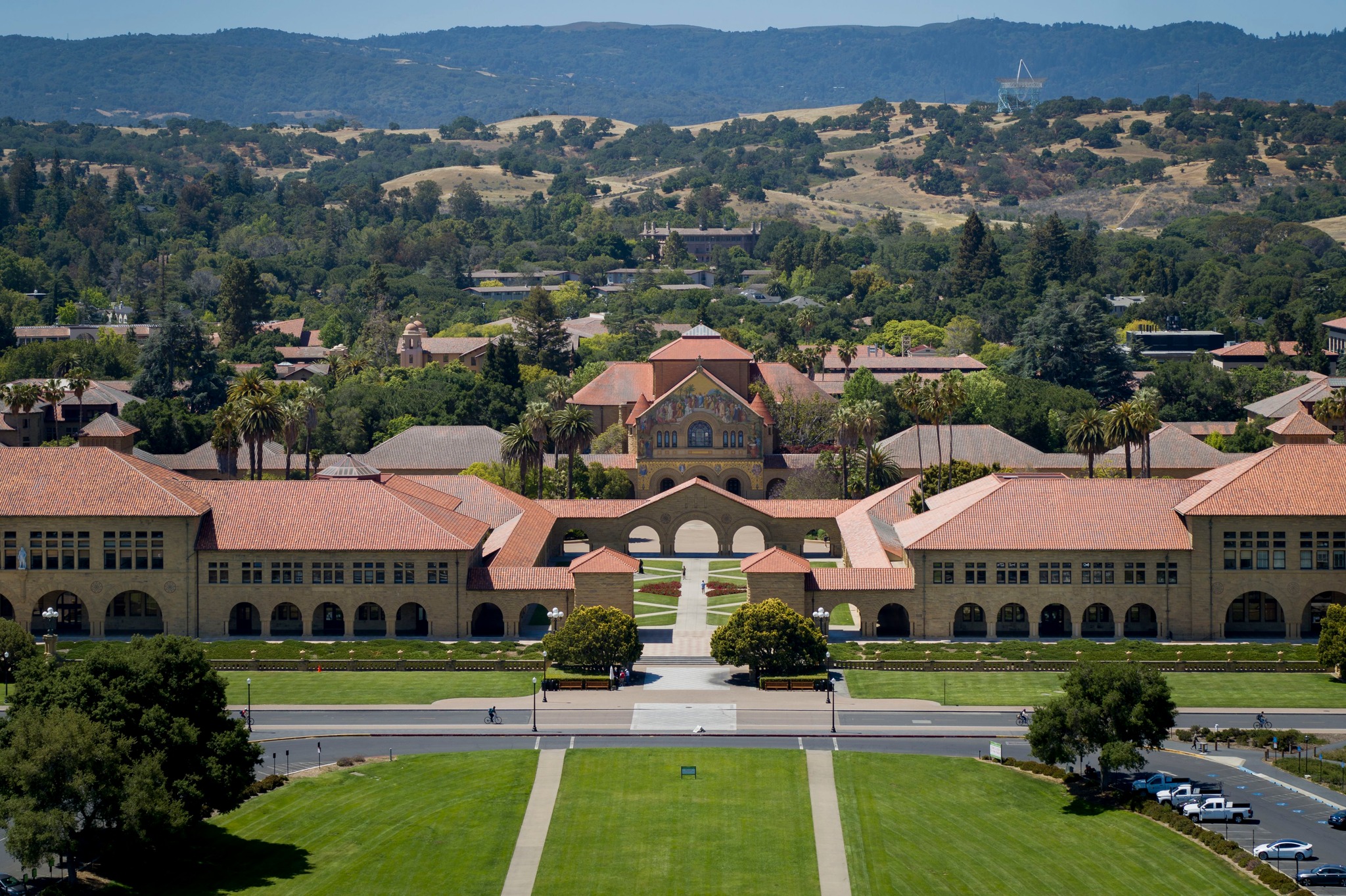
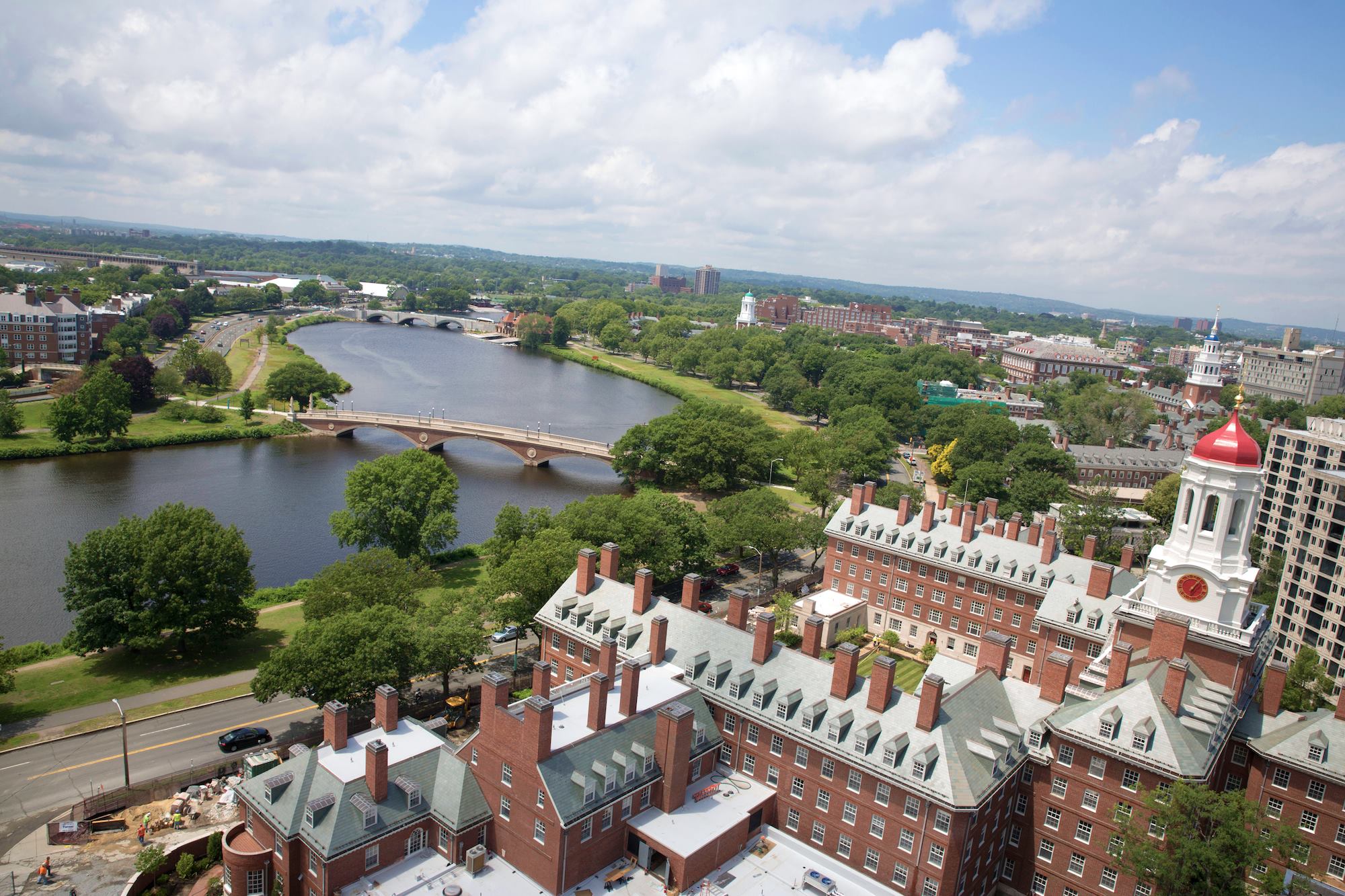
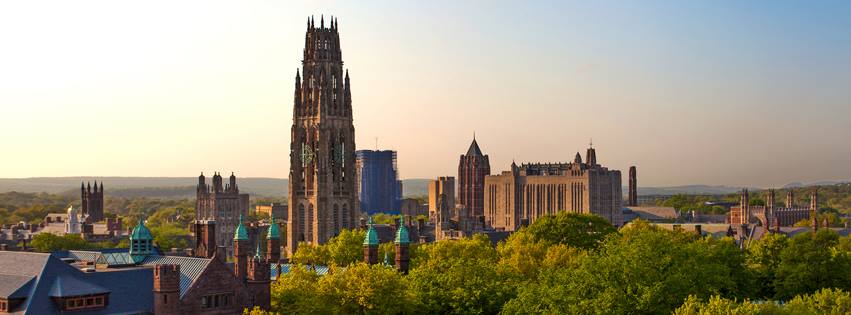
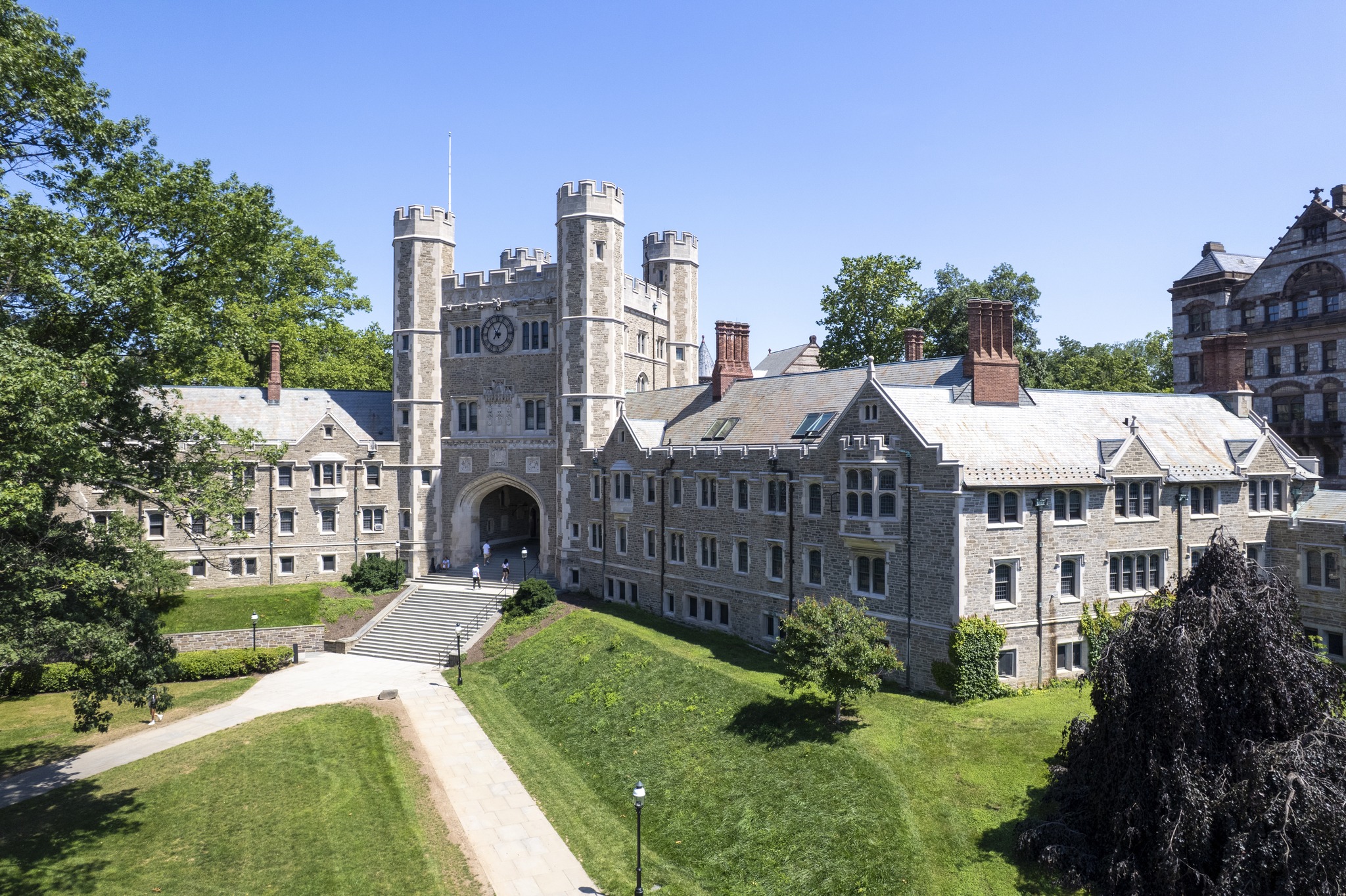
After earning a bachelor’s degree, students can pursue a Master’s degree (typically two years) or continue toward a Doctoral degree (PhD), which focuses on research and academic expertise. The United States is home to many world-renowned institutions such as Harvard University, Stanford University, MIT, and Yale University, which consistently rank among the best globally.
Unlike many other countries, the American education system relies less on national exams and more on standardized tests used for college admissions. The most common are the SAT (Scholastic Assessment Test) and ACT (American College Test), which measure general academic readiness for higher education. In addition, schools may administer state-level tests to monitor students’ progress in subjects like math and reading. University applicants, especially international students, are often required to take English language exams such as TOEFL or IELTS to demonstrate proficiency.

.jpg)

.jpg)