Education System in the Netherlands
Dutch education is managed by the national government but implemented locally, allowing schools to adapt to community needs while maintaining consistent national standards. Education is compulsory from the age of five to sixteen, and most students continue part-time education until eighteen. The Dutch education system stands out for its flexibility, inclusivity, and international orientation. Schools emphasize equality and encourage independent learning, open dialogue, and respect for different opinions. Education is affordable and accessible, supported by government subsidies and student grants.
Another key feature is the strong focus on bilingualism and global competence—many students are fluent in both Dutch and English, and schools often offer bilingual programs. The Netherlands also excels in integrating technology, sustainability, and innovation into education, preparing students for the challenges of a rapidly changing world.
Secondary Education
Children in the Netherlands begin their formal education at basisschool (primary school), which lasts eight years, from ages four to twelve. The curriculum includes Dutch language, mathematics, social studies, sciences, and creative subjects, as well as an early introduction to English.
After completing primary school, students take a national test, often the Cito Test, which helps determine the most suitable type of secondary education. Secondary education in the Netherlands is differentiated into several tracks, allowing students to pursue either academic or vocational pathways based on their interests and abilities:
- VMBO (pre-vocational secondary education) — combines general education with vocational training.
- HAVO (senior general secondary education) — prepares students for universities of applied sciences.
- VWO (pre-university education) — the most academic track, leading directly to university studies.
This tracking system allows flexibility: students can move between levels if their performance or goals change.
Higher Education
Higher education in the Netherlands is internationally renowned for its excellence and innovation. The system consists of two main types of institutions:
- Research universities (WO – wetenschappelijk onderwijs), which focus on theoretical and academic programs.
- Universities of applied sciences (HBO – hoger beroepsonderwijs), which emphasize practical, career-oriented education.
A Bachelor’s degree typically takes three years at research universities and four years at applied sciences universities. Master’s programs last one to two years, followed by PhD studies for research-oriented students.
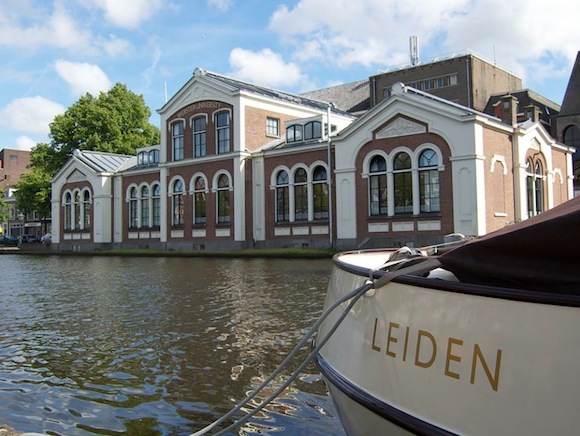
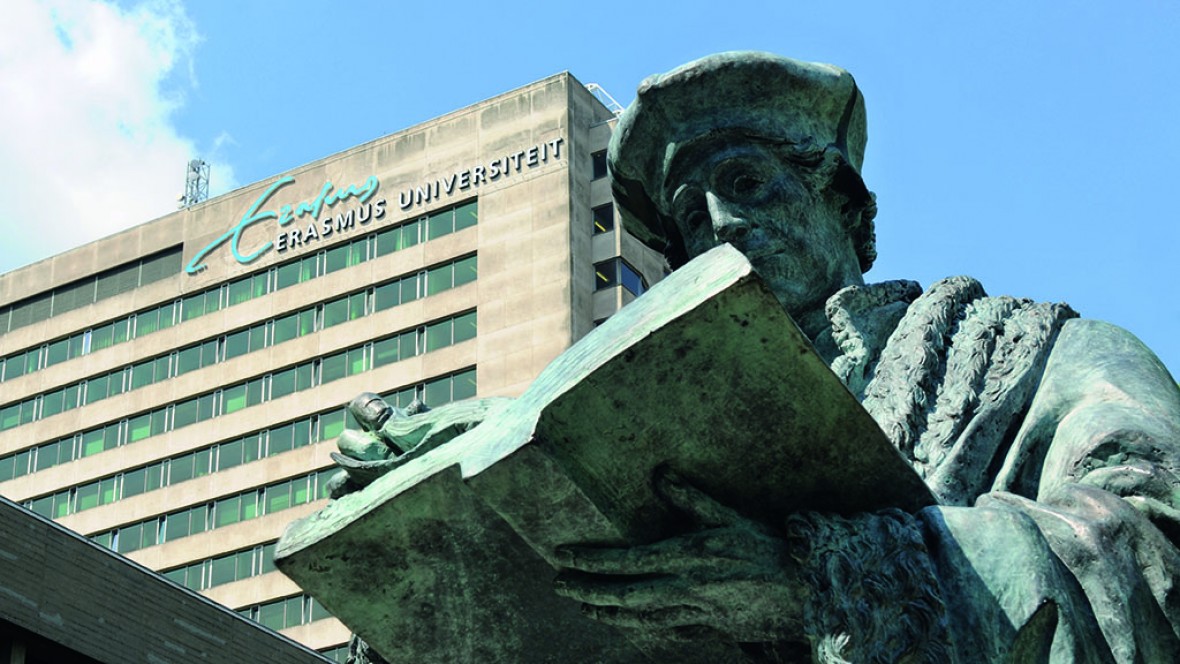
Dutch universities such as Delft University of Technology, University of Amsterdam, Leiden University, and Utrecht University are among Europe’s best and attract thousands of international students each year. Many programs are offered in English, making the Netherlands one of the most accessible non-English-speaking destinations for global education.