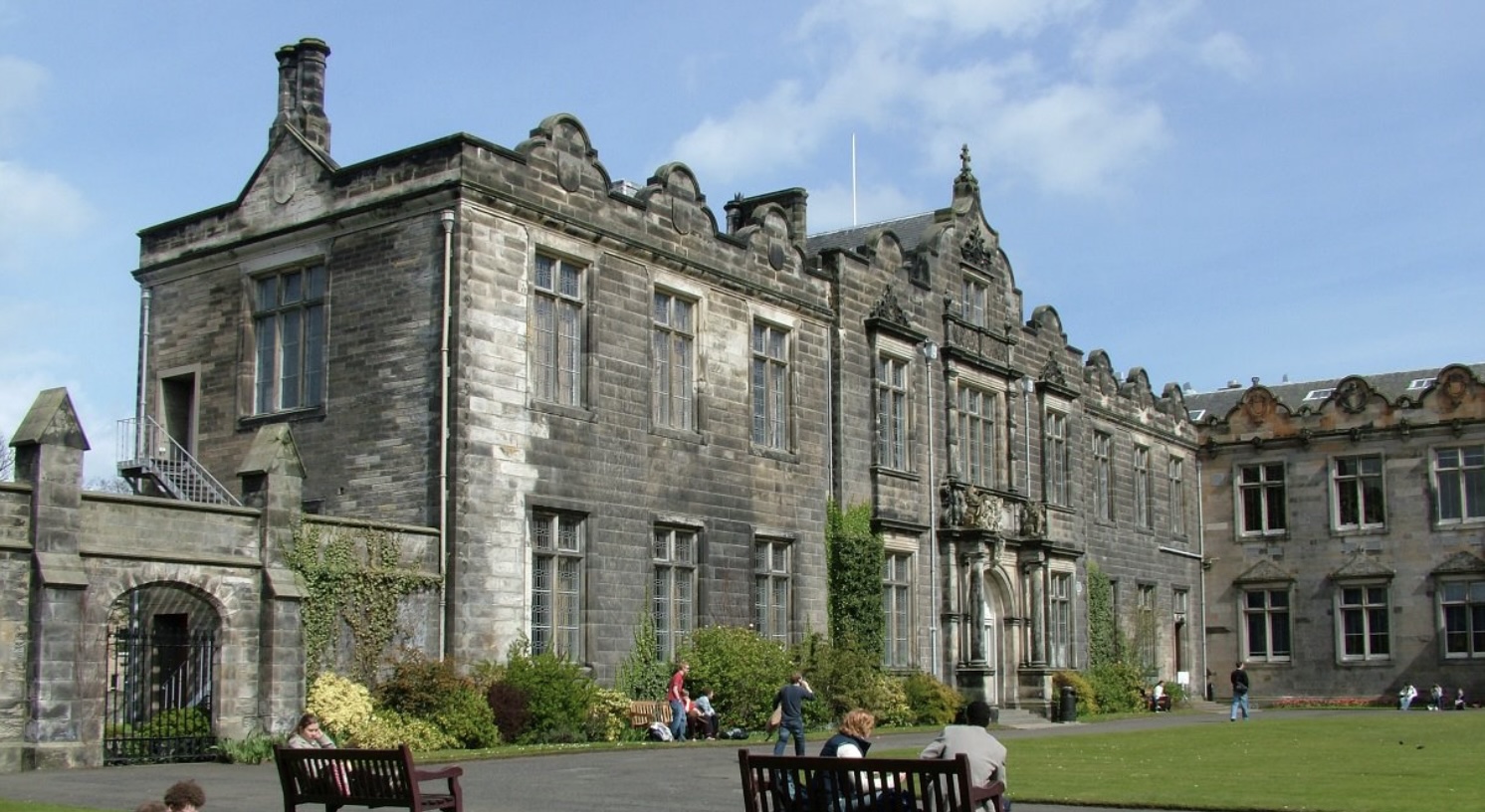
Education System in England
The education system in England is one of the most respected and influential in the world. It is known for its structured approach, flexibility, and emphasis on developing critical and independent thinking. Education is compulsory until the age of eighteen, and it is divided into several main stages: primary education, secondary education, further education, and higher education.
Distinctive Features and Advantages
What makes the English education system stand out is its flexibility and individuality. Students have the freedom to choose subjects that match their interests and strengths, creating a more personalized learning experience. The system also emphasizes critical thinking, creativity, and practical application of knowledge, which prepares graduates not only for their careers but also for life in a rapidly changing world.
Furthermore, British qualifications are internationally recognized, and the quality of education is maintained through strict standards and regular assessments. This ensures that degrees from England remain among the most valued globally.
Secondary Education
Secondary education typically covers the ages of eleven to sixteen. During this period, students study a wide range of subjects such as English, mathematics, sciences, history, and foreign languages. At the end of secondary school, students take the General Certificate of Secondary Education (GCSE) exams, which evaluate their academic performance and help determine their next steps.
After GCSEs, students can either continue with A-levels—advanced academic courses that prepare them for university—or choose vocational and technical training at colleges. This stage, known as further education, allows young people to shape their future paths based on personal interests and career goals.
Higher Education
Higher education in England includes universities and colleges offering degrees at different levels. The country is home to some of the world’s most prestigious universities, including Oxford, Cambridge, and Imperial College London.
University education focuses strongly on research, analytical skills, and independent learning. A Bachelor’s degree usually takes three years, followed by a Master’s degree lasting one year, and Doctoral programs (PhD) for those who wish to pursue academic or research careers. English universities are known for encouraging students to specialize early and to think critically and creatively.
Testing and Examinations
Assessment is an essential part of the English education system. At the primary level, students take SATs to measure their basic literacy and numeracy skills. During secondary education, the GCSE exams play a crucial role, while A-levels determine university admission.
For international students, English language proficiency tests such as IELTS or TOEFL are required to ensure they can study effectively in English-speaking environments.